HR plays a huge role in how a company grows. But many teams focus only on daily tasks. They do not think about long-term plans for their people. That is where an HRM strategy comes in.
An HRM strategy gives a team a clear direction. It helps a business figure out what kind of workforce it needs and how to build it. It also helps leaders make better decisions about hiring, training, and performance.
A lot of companies skip this step because it feels complicated. It does not have to be. With the right approach, any business can build a simple and effective HRM strategy. And it can bring real results.
In this guide, you will learn what HRM strategy means, why it matters, and how you can create one that fits your organization. It is easy to follow and perfect for anyone who wants a fresh start with HR planning.
What Is HRM Strategy?
Think of HRM strategy like planning a small family garden.
If you just walk outside and plant seeds without a plan, you might get some results. But the garden will not grow the way you hoped. Some plants may crowd each other. Some may not get enough sunlight. You may end up with more tomatoes than you can eat and no herbs at all.
Now imagine you take a little time to think first.
You ask simple questions like:
- What do we want to grow this year?
- How much space do we have?
- What tools do we already own?
- Who will water the plants?
Once you answer questions like that, the garden makes sense. You know where to put each plant. You know what to buy. You know how much work it will take. And you can enjoy better results with less stress.
HRM strategy works the same way, but for people in a company.
A company needs the right people in the right roles. It needs a plan for hiring, training, and supporting those people. If a company never plans ahead, everything feels messy. Hiring feels rushed. Work feels uneven. People leave because they don’t feel supported.
Now picture a small bakery as an example.
The owner wants to expand, but the team is already tired. The bakery needs more skilled staff, better training, and clear steps for growth. With an HRM strategy, the owner can map out the staff needed for the next year, how to train new bakers, and how to keep the team happy. It becomes easier to grow the business without wearing everyone out.
So in simple words:
An HRM strategy is a clear plan for how a business hires, trains, and supports its people so the whole company can reach its goals.
It is not fancy. It is not only for big companies. It is just a smart way to stay prepared instead of guessing every day.
Why HRM Strategy Is Important

A company cannot grow with guesswork. It needs a simple plan for its people. An HRM strategy gives a business that kind of clarity. It helps leaders act with purpose instead of reacting to problems all the time. It also keeps the team steady, trained, and ready for the future.
Here are the main reasons it matters:
- Better hiring decisions: A company that knows what roles it needs does not hire in a hurry. It chooses people who fit the job and the culture. This reduces turnover and builds a stronger team from the start.
- Clear direction for employees: When goals are clear, people know what to focus on. They do not guess or wait for clues. They understand how their work supports the company. This leads to smoother teamwork and fewer mistakes.
- Stronger employee growth and development: A good HRM strategy includes training plans. It helps employees gain new skills at the right time. People feel supported and stay longer because they see a future in the company.
- Steady performance and productivity: Teams work better when they have structure. Clear expectations, regular feedback, and proper training keep performance stable. The business avoids sudden drops in quality or output.
- Less stress for managers and HR teams: Without a plan, every issue feels urgent. With a strategy, many problems disappear before they grow. Managers spend less time fixing mistakes and more time guiding the team.
- Smoother business growth: As the company expands, the team can handle more responsibilities. The HRM strategy ensures the business does not run into staffing gaps or skill shortages during key moments.
A solid HRM strategy keeps the whole workplace balanced. It helps a business stay confident during busy times and steady during slow ones. It creates a work environment where people know what to do and how to grow.
Key Components of an Effective HRM Strategy

A strong HRM strategy works like a simple guidebook for the whole team. It shows what the company needs, how people should grow, and what support they need along the way. Each part plays a small but important role in keeping the workplace steady and productive.
Here are the key components:
- Workforce Planning: This helps a company understand how many people it needs and what skills are missing. It prevents sudden staffing gaps. It also prepares the team for future projects or growth.
- Recruitment and Selection: Hiring is easier when the company knows exactly who it needs. A clear hiring plan helps attract the right people. It also reduces rushed decisions that lead to turnover or mismatched roles.
- Onboarding and Orientation: New employees need a smooth start. A simple onboarding process helps them understand their role, the team, and the company goals. It also builds confidence from day one.
- Performance Management: People want feedback and direction. Regular check-ins help employees understand what they do well and where they should improve. It keeps progress steady and reduces confusion.
- Training and Development: Skills change over time. Training keeps the team updated and capable. It also motivates employees because they see that the company cares about their growth.
- Compensation and Benefits: Fair pay and supportive benefits encourage people to stay. It also helps the company attract skilled workers. A clear structure avoids misunderstandings or dissatisfaction.
- Employee Engagement: Engaged employees care about their work. Simple efforts like appreciation, communication, and team involvement create a positive workplace. It also reduces burnout and turnover.
- Workplace Policies: Clear policies keep everyone on the same page. They guide behavior, communication, and procedures. They reduce conflict and help teams work smoothly.
- HR Technology and Data: Simple HR systems help track attendance, performance, and employee records. Data gives leaders a clearer view of what is working and what needs attention. It also saves time on manual work.
An HRM strategy becomes effective when all these parts support each other. Together, they create a workplace where people know what to do, how to grow, and how to contribute to the company’s goals.
How to Create an HRM Strategy for Your Business in 2026
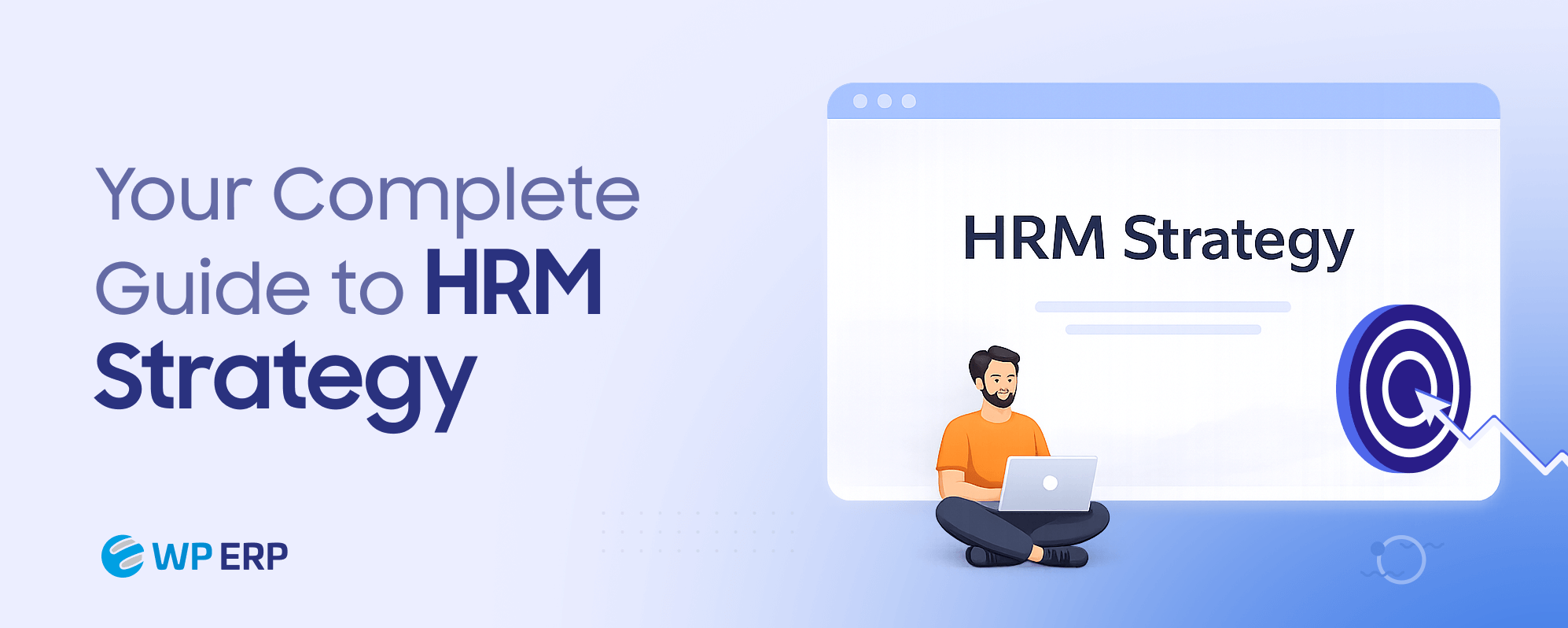
You can build a simple and practical HRM strategy by following a few clear steps. These steps help you understand what your business wants to achieve and how your team can support that journey. The process stays flexible, so it works for both small teams and growing companies.
Here are the steps to create an HRM strategy for small businesses:
- Identify the Organization’s Goals
- Assess the Current Workforce
- Map Skill Gaps and Future Needs
- Set Measurable HR Objectives
- Create Initiatives and Programs
- Implement and Communicate the Strategy
- Track Progress and Refine
Now, let’s get into the details!
1. Identify the Organization’s Goals
Every HRM strategy starts with a clear picture of what the business wants to achieve. You cannot plan for people if you do not know the direction of the company. So the first step is to understand the goals that matter most.
These goals can be simple. A business may want to increase sales, open a new branch, improve customer service, or build a stronger team. Each goal needs the right people and the right skills. That is why HR should look at these goals closely.
Imagine a small service company that wants to double its client base next year. The leader might think only about marketing. But the HR team can see a bigger story. More clients mean more service requests. That means the company will need more support staff, better training, and stronger communication inside the team. Without understanding the goal, the company will not prepare for these changes.
So the point is simple. When you know what the business wants, you can plan the workforce in a smarter way. You can make better hiring choices. You can support the team at the right time. And you can guide the company toward growth without stress or confusion.
A clear understanding of the organization’s goals gives your HRM strategy a strong and steady foundation.
2. Assess the Current Workforce
Once you know what the business wants to achieve, you need a clear picture of the team you already have. This step helps you see what is working well and where support is missing. It also shows whether the current team can handle future plans or if changes are needed.
Start with the basics. Look at everyone’s skills, strengths, and responsibilities. Check how each role supports the company goals. You may notice that some employees take on too much, while others need more training. You may also find roles that no longer fit the direction of the business.
Think about a retail store that wants to offer faster customer service. The HR team reviews the staff and sees that the store has enough cashiers but not enough people to help customers on the floor. That small discovery points to a bigger pattern. The team is unbalanced, and the goal cannot be met without shifting responsibilities or hiring new staff.
This kind of review helps you understand what your team can do right now and what they may need later. It prepares you for better planning in the next steps. When you see the full picture of your workforce, the rest of the HRM strategy becomes much easier to build.
3. Map Skill Gaps and Future Needs
After you understand your team, the next step is to look at what is missing. Every business has goals, and each goal needs certain skills. When you compare what the team can do now with what the company will need later, you will see clear gaps. These gaps show where the business may struggle if nothing changes.
Some gaps are obvious. For example, a company might want to start online sales but has no one who understands eCommerce. Other gaps are subtle. A team may have strong technical talent but weak communication skills, which hurts teamwork. Noticing these small issues early can prevent bigger problems later.
Picture a small tech agency that plans to grow its client list. The review shows that developers are skilled, but there are no project managers to guide clients and structure the work. Without that role, the company cannot handle more projects. The skill gap becomes a clear signal: they need leadership roles, not just more developers.
Mapping skill gaps helps the HR team make smart decisions. It shows what training to offer and what roles to hire next. It turns vague concerns into actionable steps. And it prepares the company for steady, confident growth.
4. Set Measurable HR Objectives
Once you know the company goals and the skill gaps, you can set clear HR objectives. These objectives act like small targets that guide your actions. They help you stay focused and avoid guesswork. They also make it easier to see whether your HR efforts are actually working.
These objectives should be simple and measurable. For example, you might want to reduce turnover, improve training results, or hire for a new department within a set time. Clear objectives make progress easier to track. They also help everyone understand what HR is trying to achieve.
Imagine a company that wants to improve customer service. The HR team sets an objective to train all front-line staff within the next three months. They also aim to improve customer feedback scores within the next six months. These targets give the team something real to work toward. They also make it easier to celebrate success when the goals are reached.
Good HR objectives bring structure to your strategy. They keep everyone on the same page. And they ensure that every action moves the business closer to its long-term goals.
5. Create Initiatives and Programs
After setting your HR objectives, the next step is to plan the actions that will help you reach them. These actions are your initiatives and programs. They turn your goals into real steps that people can follow. They also give your team the support they need to grow.
These initiatives can be small or large. They might include new training sessions, updated hiring methods, mentorship programs, or improvements to onboarding. Each one should connect directly to an HR objective so the effort feels purposeful.
Think about a company that wants to reduce employee turnover. The HR team may create a mentorship program for new hires so they feel supported during their first months. They might also start regular check-ins to spot problems early. These programs do not need to be complex. They just need to address the real needs of the team.
Good initiatives make an HRM strategy come alive. They give structure to daily work and help employees feel guided. They also make it easier for HR to track what is improving and what still needs attention.
6. Implement and Communicate the Strategy
A plan only works when people understand it. After creating your HR initiatives, the next step is to put them into action and share the details with the team. Everyone should know what is changing and why it matters. Clear communication helps the whole company move in the same direction.
Start with simple steps. Introduce new processes, explain new roles, or share training schedules. Make sure managers know their responsibilities, because they guide most of the day-to-day work. When people understand the purpose behind each change, they are more open to it and more confident in their tasks.
Imagine a company that is adding a new performance review system. If the team hears about it without explanation, they may worry or feel confused. But if HR explains how it helps them grow and how the process works, the team feels calmer and more involved. Communication makes the transition smooth.
Good implementation depends on clarity, steady support, and open conversations. When the strategy is shared in a simple and honest way, people trust it and follow it with confidence.
7. Track Progress and Refine
An HRM strategy is not something you set once and forget. After you put it into action, you need to check how it is working. This step helps you see what is improving and what still needs attention. It also helps you avoid repeating the same mistakes.
Tracking progress can be simple. You might look at hiring speed, employee feedback, training completion, or turnover rates. These small signals show whether your HR efforts are moving in the right direction. You do not need complex reports to understand what is happening.
Think of it like adjusting a daily routine. If something feels too heavy or ineffective, you change it. A company may notice that a training program feels rushed. Instead of stopping it completely, HR can slow it down or break it into smaller sessions. Small changes like this can make a big difference.
Refining your strategy keeps it realistic and useful. It allows HR to respond to real situations instead of sticking to rigid plans. When you review and adjust regularly, your HRM strategy stays relevant and continues to support both the business and its people.
WP ERP – A WordPress Plugin That Supports HRM Strategy

Building an HRM strategy from scratch can feel overwhelming. You need structure, clarity, and consistency. Doing all of that with spreadsheets and manual processes takes time and energy. Many teams struggle before they even get started.
This is where a tool can help.
Instead of building everything on your own, you can use a system that already supports key parts of an HRM strategy. WP ERP is one such option for businesses that run on WordPress.
WP ERP helps bring core HR activities into one place. Employee records, attendance, leave management, and basic performance tracking stay organized. This makes it easier to follow your HR plans without losing control or relying on scattered files.
When HR data stays structured, decision-making becomes simpler. You can review your workforce, track progress, and adjust plans with more confidence. It supports steady growth rather than rushed fixes.
The idea is not to replace strategy with software. The idea is to make the strategy easier to manage. With the right tool in place, HR teams can spend less time on admin work and more time focusing on people and progress.
Ready to Build a Clear and Practical HRM Strategy?
An HRM strategy does not need to feel heavy or complicated. It starts with clear goals, honest reviews, and small steps that support your people. When those steps stay consistent, HR becomes calmer and more effective.
You can do all of this with the right mindset and the right tools. Using a structured system can reduce guesswork and save time. It helps you focus on planning, growth, and people instead of paperwork.
If you want to move your HRM strategy forward without starting from zero, explore tools that already support this process. Start small. Stay focused. And build an HR setup that grows with your business.
Also check – WP ERP Year in Review 2025: Progress, Performance, and What’s Next